How Ecommerce Teams Automate Repetitive Storefront Checks Without a QA Engineer

How Ecommerce Teams Automate Repetitive Storefront Checks Without a QA Engineer
Most ecommerce teams don't have a dedicated QA engineer. What they have instead is a growth marketer who clicks through checkout every Monday morning, a merchandiser who manually verifies collection filters after a theme update, and an operations lead who quietly panics every time a new app gets installed. The work gets done — but it eats hours, it's inconsistent, and it usually finds problems after shoppers already have.
The good news: you don't need to hire a QA engineer to automate storefront checks. Modern monitoring tools built specifically for Shopify let non-technical operators set up continuous verification of the flows that actually drive revenue — checkout, search, cart, navigation, product pages — without writing a single line of test code. Here's how ecommerce teams are doing it, and how you can replace manual QA rounds with proactive, automated coverage.
Why Manual Storefront QA Breaks Down at Scale
Manual QA works when your store is small and changes are rare. But the moment you're pushing theme tweaks weekly, testing new apps, running campaigns, and swapping merchandising, the manual approach starts leaking. The reasons are predictable:
It's inconsistent. Different people check different things in different ways.
It's reactive. You only look after something feels wrong — or after a customer emails support.
It's incomplete. Nobody has time to click through every collection filter, every variant selector, and every mobile menu.
It's expensive. Senior operators spending hours on repetitive clicks is a poor use of payroll.
The result is a store that usually works, punctuated by expensive surprises. A broken discount code on Black Friday. A checkout that silently fails on mobile after an app update. A search bar returning zero results after a theme migration. Each of these is a revenue event, and each of them is preventable with automated verification.
What Repetitive Storefront Checks Actually Look Like
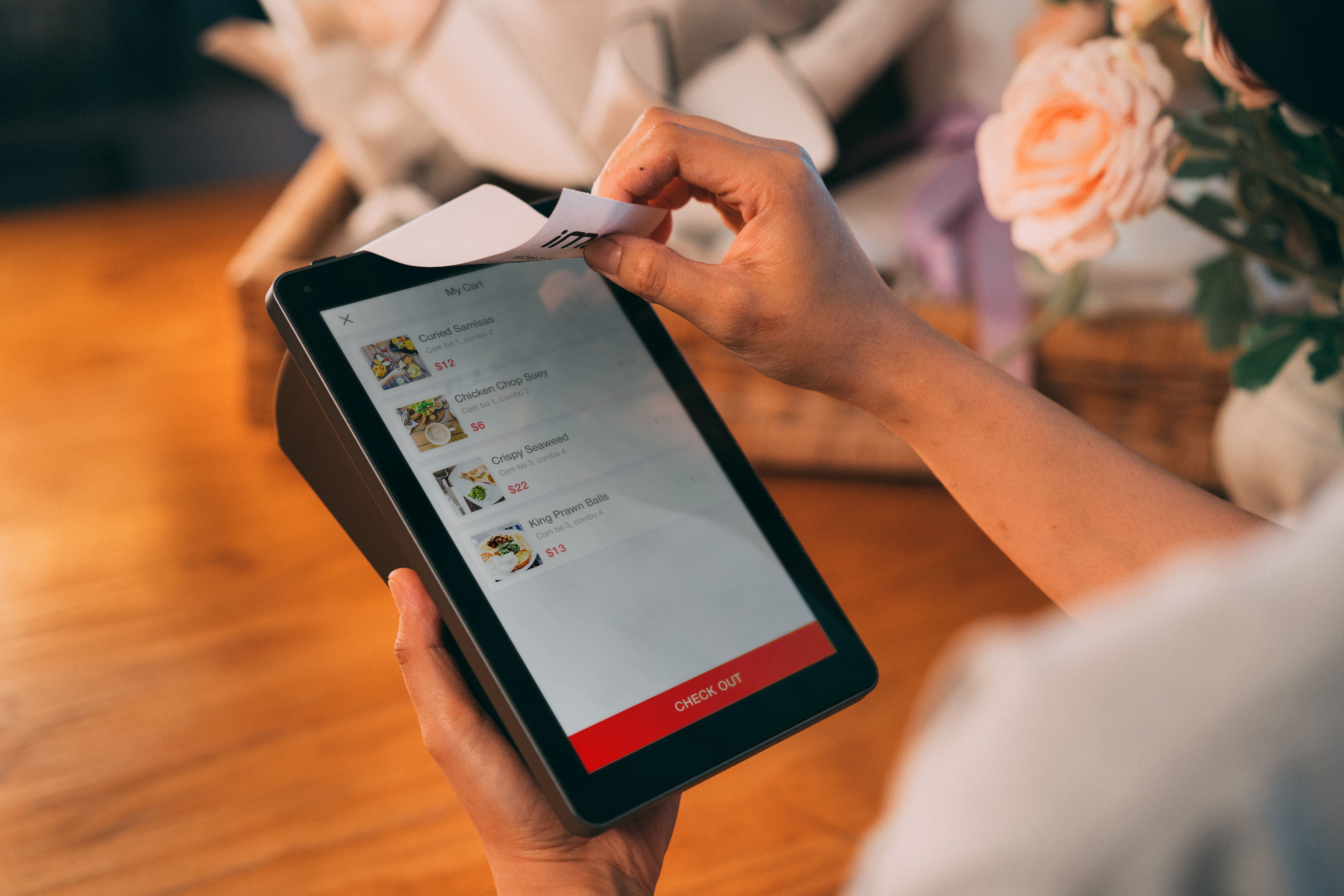
Before automating, it helps to name the work. When ecommerce operators talk about "checking the store," they usually mean some combination of the following:
Critical Customer Journeys
Can a shopper add a product to cart and reach checkout?
Does the mobile navigation open and route correctly?
Do quick add, variant selection, and quantity selectors behave properly?
Does search return relevant results?
Do collection filters apply and clear as expected?
Does the product image gallery load and swipe on mobile?
Post-Change Verification
After a theme edit, does anything visually or functionally break?
After an app install or update, are page load and cart still healthy?
After a merchandising change, do collections still populate?
Ongoing Hygiene
Are there broken links or 404s appearing on the site?
Are Shopify and critical third-party services operating normally?
Are policy pages, contact forms, and account flows still working?
Every one of these is a repetitive check. Every one is a candidate for automation.
How Automation Replaces the Manual Click-Through
The shift from manual QA to automated storefront monitoring comes down to three ideas: codify the check once, run it continuously, and get told only when something changes. Instead of your team clicking through checkout every week, an automated test flow simulates that journey on a schedule and alerts you the moment it fails.
1. Automated Test Flows for Real Shopper Journeys
Tools like Shoptest let non-technical users configure automated test flows that mirror what real shoppers do: browse a collection, filter by size, open a product, select a variant, add to cart, edit quantity, and proceed to checkout. Once configured, these flows run on a schedule — hourly, daily, or after specific events. You don't write code. You describe the journey, and the platform executes it repeatedly.
2. Continuous Monitoring of Shopify and Third-Party Apps
Storefront reliability doesn't only depend on your theme. It depends on Shopify itself, your reviews app, your search app, your subscription app, your loyalty widget. When any of these degrade, the shopper feels it. Automated monitoring watches these dependencies continuously so you know whether an issue is your store, Shopify, or a third-party outage — without opening five status pages.
3. Broken Link Tracking
404s quietly accumulate. A deleted product, a renamed collection, a migrated blog post — each one leaves broken links behind. Scheduled scans catch these automatically, so you can fix them before shoppers hit dead ends.
4. AI-Assisted Failure Diagnosis
The hardest part of automated testing has always been interpreting failures. Traditional tools tell you "the test failed on step 4" and leave you to investigate. AI-assisted diagnosis explains why it failed in plain language, points at likely causes, and — in many cases — proposes or applies a fix to keep the test running. That means an operator, not an engineer, can act on the alert.
A Practical Rollout Plan for Non-Technical Teams

You don't need to automate everything on day one. A sensible sequence looks like this:
List your top five revenue-critical journeys. Almost always: checkout, add to cart, product page load, search, mobile navigation.
Set up automated test flows for each. Configure them to run on a schedule that matches your risk tolerance — hourly for checkout, daily for less critical paths.
Turn on Shopify and app monitoring. Especially for apps that touch cart, checkout, or product display.
Schedule broken-link scans weekly. Review and clean up.
Route alerts to a real channel. Slack, email, or wherever your operations team actually lives.
Add coverage after every major change. New app, new theme section, new campaign landing page — extend your test flows.
Within a few weeks, the manual click-through ritual disappears. The team stops looking for problems and starts responding to them — only when they actually exist.
What Changes for the Team
When repetitive storefront checks are automated, the operational rhythm shifts in ways that compound over time:
Faster issue detection. You hear about problems from your monitoring tool, not from angry customer emails.
More time for higher-value work. Operators focus on optimization and growth instead of verification.
Confidence during change. Theme updates, app installs, and campaign launches stop being anxiety events.
Better cross-team trust. Marketing, ops, and dev share a single source of truth about storefront health.
Cleaner escalations. When something does break, AI-assisted diagnosis means non-technical operators can triage before pulling in developers.
You Don't Need a QA Engineer — You Need Continuous Verification
Hiring a dedicated QA engineer for a Shopify storefront is rarely realistic for small and mid-sized ecommerce teams. But you also can't afford to keep clicking through checkout every Monday and hoping nothing broke. The answer isn't more headcount — it's continuous, automated verification of the journeys that make you money.
Shoptest was built for exactly this: giving ecommerce operators the ability to protect revenue-critical flows without writing code, without hiring specialists, and without adding hours to their week. If repetitive storefront checks are quietly consuming your team's attention, it's time to let automation carry that load. Try Shoptest and protect your store's critical journeys — before your shoppers find the problems for you.