Pre-Launch Testing for Shopify Campaigns: What to Verify Before You Turn On Ads

Pre-Launch Testing for Shopify Campaigns: What to Verify Before You Turn On Ads
You've built the campaign. The creative is approved, the audiences are stacked, the budget is loaded, and the launch date is tomorrow morning. But before you flip the switch, one question matters more than any other: is your storefront actually ready to receive that traffic? Pre-launch testing for Shopify campaigns is the difference between a launch that converts and a launch that quietly burns paid budget on broken journeys.
Most merchants only discover problems after customers hit them — a 404 on a collection page, a discount code that silently fails, a mobile checkout button that no longer renders after last week's theme tweak. By then, the ad spend has already flowed. This guide walks through what to verify before ads go live, so your campaign meets a store that's genuinely campaign-ready.
Why Pre-Launch Testing Matters More for Paid Campaigns
Organic traffic is forgiving. A shopper who lands on your homepage through search may explore, come back tomorrow, or forgive a small glitch. Paid traffic is not. Every visitor has a cost, every friction point is a leak, and every broken flow compounds across thousands of impressions.
When you turn on ads, you're paying for one specific outcome: a customer completing a critical journey — usually from ad click to product page to add-to-cart to checkout confirmation. If any step in that journey is broken, degraded, or slower than expected, you don't just lose the sale. You lose the ad spend, the audience data quality, and often the platform's algorithmic confidence in your campaign.
Proactive verification protects that investment. Instead of relying on manual spot-checks the night before launch, treat pre-launch testing as a repeatable operational discipline.
The Core Journeys to Verify Before You Launch
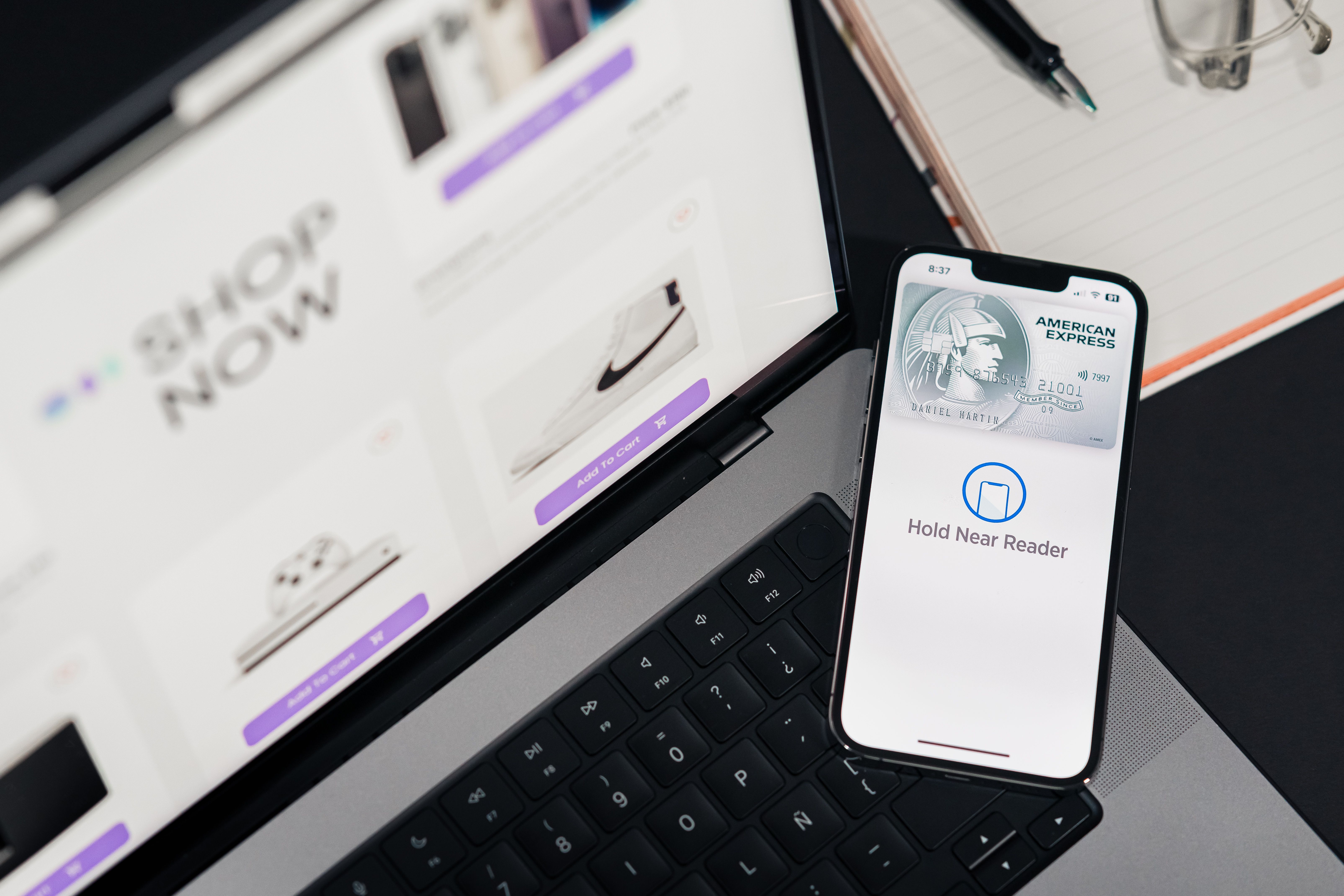
Not everything on your storefront needs the same scrutiny before a campaign. Focus your effort on the revenue-critical customer journeys the campaign will actually drive traffic through.
1. The Landing Page Experience
Whether you're sending traffic to a collection, a product page, or a custom landing page, verify:
The URL loads with no redirects, 404s, or slow first paint
Hero imagery, headline, and CTA render correctly on mobile and desktop
Any campaign-specific banners, countdowns, or overlays appear as designed
Product prices, badges, and inventory states are accurate
All internal links from the landing page still resolve
2. Add to Cart and Cart Editing
Add-to-cart is where intent becomes commitment. Test it explicitly:
Quick add to cart works from collection pages
Product variants (size, color, bundle) update price and availability correctly
Quantity selectors respond as expected
Cart drawer or cart page reflects the correct item, price, and totals
Removing and editing items in the cart works without errors
3. Checkout End-to-End
This is the flow that must not break. Run a real transaction through checkout — not just a visual review. Verify shipping options appear, taxes calculate, discount codes apply, express payment buttons render, and the confirmation page loads with the correct order details. If you use any checkout extensions or upsell apps, verify they behave as expected under campaign conditions.
4. Search and Navigation
Even in a targeted campaign, a significant share of visitors will explore. Broken search results, empty collection filters, or a mobile navigation drawer that no longer opens will silently kill conversion. Test predictive search, collection filters, and mobile menu behavior across the products your campaign features.
5. Discount Codes and Promotions
Nothing erodes trust faster than a promo code that doesn't work. If your campaign relies on a code, automatic discount, or tiered offer, run it through the full purchase flow and confirm the correct amount is deducted at checkout — not just displayed on the cart page.
Technical Health Checks Beyond the Journey
Even if the visible journey works, campaign performance can be undermined by issues that aren't obvious to a human tester.
Broken Links Across the Store
Ad platforms and email tools sometimes reuse URLs from older campaigns. Run a broken-link scan across your store — including footer, blog, and legacy collection URLs — so that no ad, email link, or affiliate reference sends traffic to a dead page. A scheduled broken-link check makes this a background task rather than a scramble.
Third-Party App Behavior
Reviews, subscriptions, loyalty widgets, upsell tools, and analytics tags all depend on third-party apps. If one of them is degraded on launch morning, your storefront may look fine while critical functionality quietly fails. Monitoring Shopify plus the third-party services you rely on gives you early warning before an outage collides with a campaign launch.
Theme and Recent Change Review
Ask a simple question: what has changed on the storefront in the last two weeks? New sections, updated apps, edited liquid, or swapped product templates are the most common sources of pre-launch surprises. Every theme change deserves a re-verification of the flows above.
Build a Repeatable Pre-Launch Checklist

One-off testing before each campaign doesn't scale. Merchants who launch frequently — new drops, weekly promos, seasonal pushes — need a repeatable verification routine. Automated test flows that simulate real shopper journeys let you run the same critical checks before every launch without depending on someone's memory or availability.
A practical pre-launch routine looks like this:
Run automated test flows across checkout, search, cart, and product journeys
Trigger a broken-link scan on the store
Review any recent failures or flagged issues
Manually spot-check the specific landing page and offer the campaign uses
Confirm third-party apps and Shopify itself show no active incidents
What to Do When Something Fails
Finding a broken flow the night before launch is stressful — but it's still better than finding it after ads are live. When a test fails, you need two things quickly: a clear explanation of what broke, and a path to fix it. AI-assisted failure diagnosis helps close that gap, translating a technical failure into a plain-language explanation of the likely cause and next step, so the fix happens in minutes rather than hours.
If the failure is in an automated test itself — because a selector changed after a theme update, for example — an AutoFix workflow can attempt the update and re-verify, keeping your test coverage aligned with a rapidly changing storefront.
Launch With Operational Confidence
Pre-launch testing isn't about chasing perfection. It's about making sure the flows your campaign depends on are working, and catching the small breakages that always accumulate between launches. When you know checkout, cart, search, and your landing pages are verified, you can spend campaign morning focused on performance — not firefighting.
If you want a proactive way to protect campaign launches, Shoptest gives merchants continuous verification of critical customer journeys, monitoring for Shopify and key third-party apps, broken-link tracking, and AI-assisted diagnosis when something does break. Explore Shoptest and turn your next launch into a confident one — before you turn on ads.