How to Protect Your Shopify Conversion Rate After Every App Update or Theme Change

How to Protect Your Shopify Conversion Rate After Every App Update or Theme Change
Every Shopify merchant knows the sinking feeling. You push a theme tweak, install a new app, or approve an update from a developer — and hours later you spot a drop in sales, a broken add-to-cart button, or a checkout that silently fails on mobile. By the time you notice, real revenue is already gone. If you want to protect your Shopify conversion rate through the constant churn of updates, you need a system that verifies your store keeps working every time something changes.
This guide walks through the practical steps merchants can take to defend conversions after app updates and theme changes — and how continuous verification turns a reactive scramble into a calm, controlled process.
Why App Updates and Theme Changes Silently Hurt Conversions
Shopify stores are stacked deep. A typical merchant runs a theme, 15–30 apps, custom Liquid edits, third-party scripts, and integrations across shipping, payments, reviews, upsells, and analytics. Any single change can create a chain reaction:
A theme update overwrites a customization that made your product page convert
An app update injects a script that slows or breaks the cart drawer
A new integration conflicts with an existing checkout extension
A collection filter stops returning products on mobile
A quantity selector or quick-add breaks on the most popular product template
These issues rarely announce themselves. Customers don't email you to say "your gallery is broken on iPhone." They just leave. That's why proactive issue detection matters more than any post-mortem dashboard.
Identify the Critical Customer Journeys That Drive Revenue

Before you can protect conversions, you need to know exactly which flows move the needle. For most Shopify merchants, the revenue-critical customer journeys are:
Search — customers who search convert at multiples of the site average
Collection browsing and filtering — especially on mobile
Product page interactions — image gallery, variant selection, quantity selector, quick add to cart
Cart editing — adding, removing, updating quantities
Checkout — the single highest-stakes flow on your store
Mobile navigation — where most traffic lives
Once these are mapped, every future change should be validated against them. Not manually. Not occasionally. Continuously.
Build a Pre-Change and Post-Change QA Rhythm
Merchants who consistently protect conversions treat every deploy — no matter how small — as a moment worth verifying. That rhythm looks like this:
Before the change
Snapshot which flows are currently passing
Confirm your test coverage includes the areas most likely to be touched
Note any known fragile areas (custom Liquid, app-injected sections)
Immediately after the change
Run your full suite of automated test flows across desktop and mobile
Check monitoring for Shopify status and any third-party services the change touches
Trigger a broken-link scan if navigation, menus, or collections were affected
Within 24 hours
Re-run tests once caches, CDNs, and app deployments have settled
Review any AI-assisted failure diagnoses to prioritize fixes
This rhythm doesn't require an engineering team. It requires a system that runs the checks for you.
Use Automated Test Flows to Simulate Real Shoppers
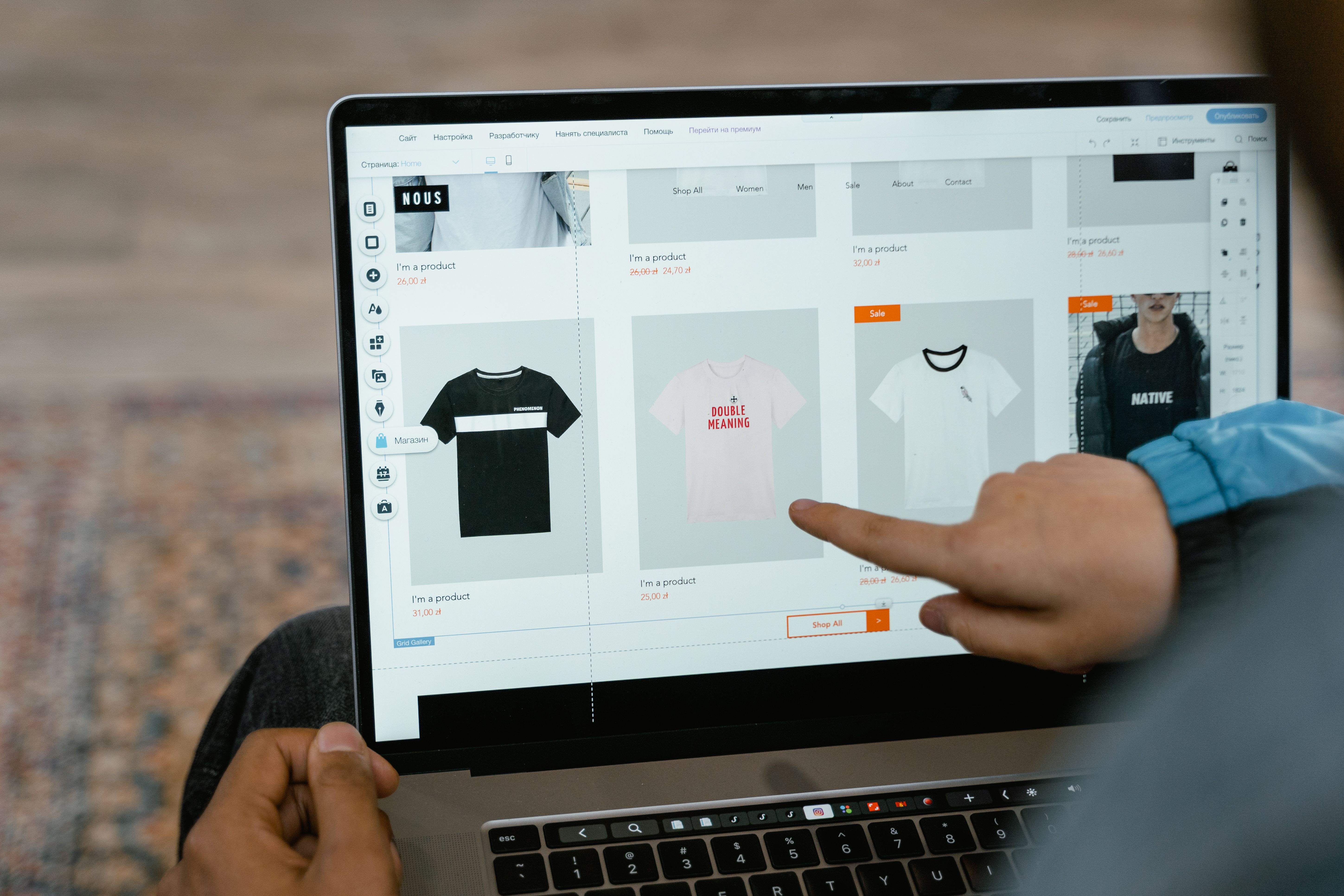
Manual QA breaks down at scale. Nobody has time to click through every product template, every collection filter combination, every checkout variant, on every device, every time an app updates itself in the background.
Automated test flows solve this by simulating real shopper journeys — checkout, search, cart editing, mobile navigation, product image gallery, collection filters, quantity selectors, quick add to cart — on a schedule and after every change. When something breaks, you know within minutes, not days.
The advantage is compounding: the more coverage you build, the more confident you become in shipping changes quickly. Continuous verification replaces the fear of change with operational confidence.
Monitor Shopify and the Apps That Matter Most
Not every conversion drop starts on your storefront. Sometimes it's Shopify itself, or a payment provider, or a review app returning errors, or a shipping calculator timing out. Layering Shopify and third-party app monitoring on top of your test flows gives you a fuller picture of storefront reliability.
When a test fails, monitoring context tells you whether the root cause is your code, your theme, an app, or an upstream service. That's the difference between an hour of investigation and a five-minute triage.
Catch Broken Links Before Customers Do
Theme changes and merchandising updates are notorious for leaving broken links behind — retired collections, renamed products, moved landing pages, deleted blog posts. Every 404 is a lost customer, and worse, a lost signal to search engines about your site's health.
Scheduled broken-link scanning is one of the simplest, highest-ROI protections you can put in place after any change involving navigation, menus, collections, or content. Combined with test flows, it closes the last major gap where silent conversion loss hides.
Diagnose Failures Faster With AI-Assisted Analysis
Detection is only half the battle. When a test fails, the next question is always: what changed, why, and how do we fix it?
AI-assisted diagnosis reads the failure, correlates it with recent changes, and explains in plain language what likely broke and how to address it. For merchants without deep technical resources, that's the difference between opening a support ticket and shipping a fix the same afternoon. For agencies and technical teams, it collapses investigation time and makes each failure a smaller event.
Where possible, an AutoFix workflow can attempt to update the test itself when a legitimate change (like a new button label or restructured template) is the cause — verifying the repair before signing off.
Turn Conversion Protection Into a Standard Operating Procedure
The merchants who lose the least revenue to broken storefronts aren't the ones with the biggest teams. They're the ones with the tightest processes. Here's what that looks like in practice:
Every revenue-critical journey is covered by an automated test
Tests run on a schedule and after every meaningful change
Shopify and key apps are monitored continuously
Broken links are scanned regularly
Failures come with AI-assisted explanations, not just error logs
Someone owns the triage — even if it's just five minutes a day
This isn't overhead. It's insurance against the exact kind of silent conversion loss that quietly compounds across a year of small changes.
Protect Every Sale, Every Change
App updates and theme changes are inevitable. Losing conversions to them isn't. With continuous verification, proactive monitoring, and AI-assisted diagnostics, you can move fast on your store without waking up to broken checkouts and missing sales.
Shoptest was built for exactly this — helping merchants protect revenue-critical flows through every update, deploy, and merchandising change. If you're ready to stop hoping your store still works and start knowing it does, explore how Shoptest can protect your Shopify conversion rate and give you back the confidence to ship changes without fear.